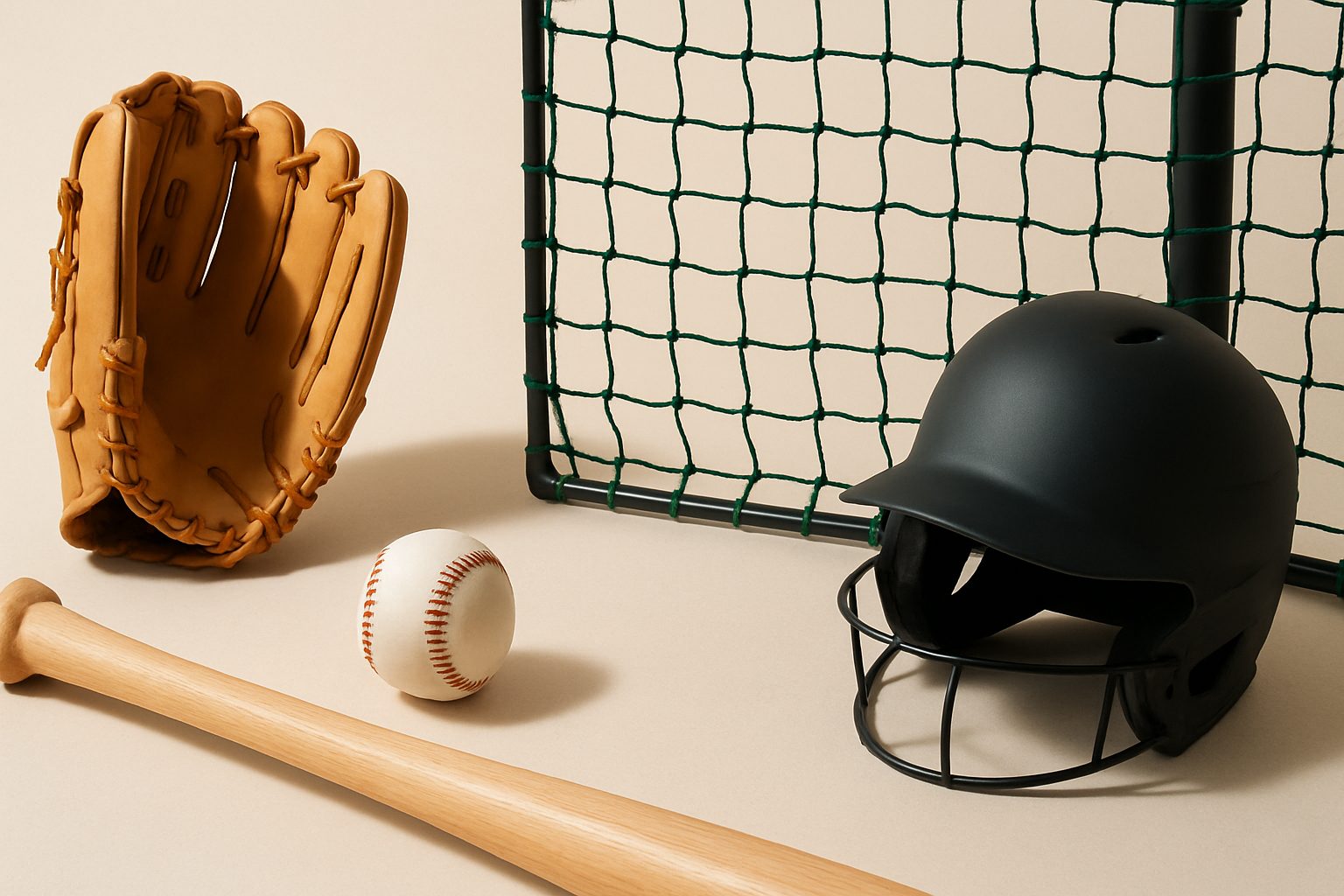
Portable vs Permanent Batting Cage Frames UK: Which Should You Buy?
If you're setting up a batting facility or adding one to your garden, choosing between a portable and permanent batting cage frame is one of the biggest decisions you'll make. It affects your budget, installation hassle, long-term flexibility, and how the structure performs over time. Both options have genuine merits—neither is objectively "better"—but they suit different scenarios.
Cost: Initial and Long-Term
Portable frames cost less upfront, typically ranging from £800 to £2,500 depending on size and materials. Permanent installations run £3,500 to £8,000+ for the frame alone, before netting, anchoring systems, and landscaping work. If labour isn't included in the quote, expect installation costs to push permanent setups well above £10,000 in most of the UK.
Where permanent frames make financial sense is durability. A well-anchored steel frame can last 15+ years with minimal repair costs. Portable frames need replacement every 5–8 years as joints loosen, seams fray, and metal fatigues. If you're running a commercial facility, the maths often favour permanent: spreading a higher upfront cost over a decade of heavy use works out cheaper per hour of operation.
That said, portable frames have lower maintenance costs year-to-year. You're not paying for concrete work, rust treatment on fixed anchors, or major structural repairs.
Installation and Space Flexibility
This is where portable frames shine. A two-person team can assemble most portable cages in 2–4 hours. No drilling, no permits, no groundwork. You move it if you want to reconfigure your space or relocate your facility. That flexibility is genuinely valuable for cricket clubs testing new layouts or garden owners who might want to repurpose that corner later.
Permanent frames require digging foundations, setting concrete anchors, and sometimes local council approval if you're in a conservation area or planning-sensitive zone. Installation takes days to weeks depending on soil conditions. You're committed to that spot—moving it later costs as much as installing a new one.
Practically, permanent frames also need more space clearance. The concrete footings extend beyond the frame itself, and you'll want overhead clearance for maintenance. Portable frames slot into tighter spaces and don't require ancillary groundwork.
Durability and Weather
Both types can withstand UK weather if specified correctly, but they fail differently. Permanent steel frames, when properly galvanised and maintained, are genuinely robust. They don't shift or settle, which means netting tensions stay consistent and impact absorption remains reliable over years.
Portable frames are more vulnerable to wind. Even properly staked, a strong gust or prolonged exposure can cause shifting that stresses joints and fasteners. Users in exposed locations (coastal, moorland, open fields) often report needing to re-tighten bolts seasonally. The canvas or netting ages faster too—UV exposure combined with frame flex degrades material quicker than on a rigid permanent setup.
On the plus side, portable frames are easier to inspect and repair. Replacing a damaged section or tightening a joint takes hours, not days. Permanent frames often need specialist contractors for repairs, which costs more and takes longer to arrange.
Resale Value and Exit Options
If you're buying for a commercial operation or academy, this matters. A permanent batting cage frame adds real property value—it's infrastructure. Selling a facility with one built-in is straightforward; removing one later costs money but doesn't undermine the property.
Portable frames are equipment, not fixtures. Their resale value drops fast: you'll recover perhaps 40–50% of purchase price after 3–4 years of use. That's realistic, not pessimistic—used portable cages online show this pattern consistently. If your operation folds or you downsize, you're left with an asset that's harder to shift.
However, that's only relevant if you sell the facility itself. For clubs or training operators that rent space rather than own it, a portable cage avoids the awkward conversation about removing permanent infrastructure when the lease ends.
The Verdict
Choose portable if: you're trialling a batting cage without major financial commitment, renting your facility, operating in a small space, or running an amateur club with limited budget. Expect to replace it within 5–7 years.
Choose permanent if: you own the property, plan to operate for 10+ years, need industrial durability, or run a commercial academy. The higher cost is justified by longevity and reliable performance.
Product Picks
Portable: Heater Dual-Sport Cage — Solid mid-range option at around £1,600. 12ft x 14ft, easy assembly, handles UK wind reasonably well. Takes replacement netting easily when it ages.
Permanent: Trigon Permanent Sports Cages — Yorkshire-based manufacturer with a strong track record. Fully galvanised, customisable dimensions, professional installation included. Typically £5,000–£7,000 for a 20ft x 12ft frame. Worth the investment for permanent sites.
Both require proper netting (usually sold separately), and budget an extra £800–£1,500 for quality impact netting that lasts more than a season.
More options
- Portable Batting Cage Frames (Amazon UK)
- Cricket Practice Batting Nets (Amazon UK)
- Heavy-Duty Replacement Batting Cage Nets (Amazon UK)
- Batting Tees (Amazon UK)
- Pitching & Bowling Machines (Amazon UK)